







Search Results for: Harvesting and Processing

What stages affect coffee cleanliness? Looking at the history of Brazilian coffee harvesting and processing through COE cupping protocols
Cleanliness is an important dimension in judging coffee quality. It reflects whether a cup of coffee carries negative flavors such as earthiness, hay, or woodiness, or unpleasant sensations like astringency and dryness. From harvesting and processing to roasting and brewing, every stage can influence the level of cleanliness. This article starts with the emphasis COE cupping places on cleanliness, traces the historical problems Brazil—the world's largest coffee-producing country—has faced due to machine harvesting and rough sun-drying, and then extends to the impact of the roasting and brewing stages on cleanliness, helping coffee lovers systematically understand the industry chain logic behind a clean cup of coffee, while also retaining relevant recommendations for the Front Street brand. [more…]

From a Seed to a Cup of Coffee: A Complete Analysis of the Coffee Bean Life Cycle and Processing Techniques
Have you ever been like Front Street Coffee, filled with curiosity about the story behind the cup of coffee you drink every day? From the seed first planted to the final rich aroma in the cup, a coffee bean must go through multiple stages: cultivation, picking, post-processing, transportation, roasting, grinding, and extraction. The Arabica coffee tree has strict requirements for its growing environment—temperature, rainfall, altitude, and soil are all indispensable. After picking, the coffee cherries must also undergo processing such as sun-drying before they become green beans, and then through roasting they develop their captivating flavors. This article will take you through the complete journey of a coffee bean from the field to the cup, helping you understand how each step affects the final flavor. [more…]
What Is Whole-Ripe-Cherry Picking? How the Red Cherry Project Drives Quality Improvement in Specialty Coffee
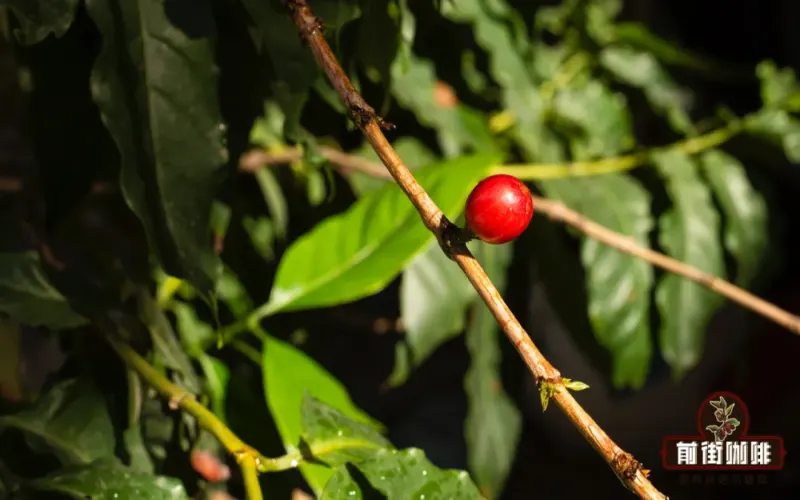
In coffee bean promotions, we often see phrases like "all-red cherry sun-dried," but all-red cherry is not actually the name of a processing method; rather, it refers to the practice of picking coffee cherries when they are fully red. So why is all-red cherry picking so important? What story of industrial transformation lies behind it? This article will analyze, from the perspective of Front Street, the impact of all-red cherry picking on coffee quality, review the evolution of harvesting methods in the early days of specialty coffee, and introduce the "Red Cherry Project" launched in 2007 by the Dutch green bean trader Trabocca, examining how it broke the vicious cycle between coffee farmers and green bean traders by raising the purchase price for high-quality coffee, ultimately achieving a win-win-win for farmers, merchants, and consumers. [more…]

How Does the Red Cherry Project Improve Ethiopian Coffee Quality? A Flavor Analysis of Natural Yirgacheffe Red Cherry
The flavor of coffee depends not only on the altitude, soil, and climate of its origin—the harvesting method also has a key impact on quality. Although machine picking is highly efficient, it struggles to distinguish the ripeness of the fruit; manual harvesting, by contrast, allows selection by ripeness, and is especially more reasonable in high-altitude mountainous areas. In 2007, the Dutch green bean trader Trabocca launched the "Red Cherry Project," requiring 100% fully ripe red cherries to be picked entirely by hand, with strict quality control through two rounds of cupping, and using high prices to incentivize coffee farmers to produce with care, breaking the previous vicious cycle of "valuing weight over quality." This article will walk you through how the Red Cherry Project operates and recommend a Front Street Coffee sun-dried Red Cherry coffee bean—a Yirgacheffe G1 grade bean, processed by the traditional sun-dried method, with full fruit aromas and a black tea finish, suitable for pour-over, cold brew, espresso SOE, and many other extraction methods. [more…]
From Botanical Characteristics to Harvesting and Processing: Essential Knowledge and Coffee Bean Understanding for Coffee Beginners
For those who are new to coffee, understanding its essence, botanical characteristics, growing conditions, and harvesting process is the first step toward building systematic knowledge. This article will unfold around the basic concepts of coffee, sorting through key points one by one—from the morphology of the coffee tree, variety classification, and suitable growing environment, to the harvest periods and green bean processing methods of major global producing regions. The article also covers related product information recommended by Front Street Coffee, as well as the specific practices of Macado specialty beans in quality control. Whether you are a coffee enthusiast or a barista just starting out, this content can help you more clearly understand the full story behind a cup of coffee. [more…]
How Coffee Cherries Are Harvested: Hand-Picking, Floatation, and Defective Beans
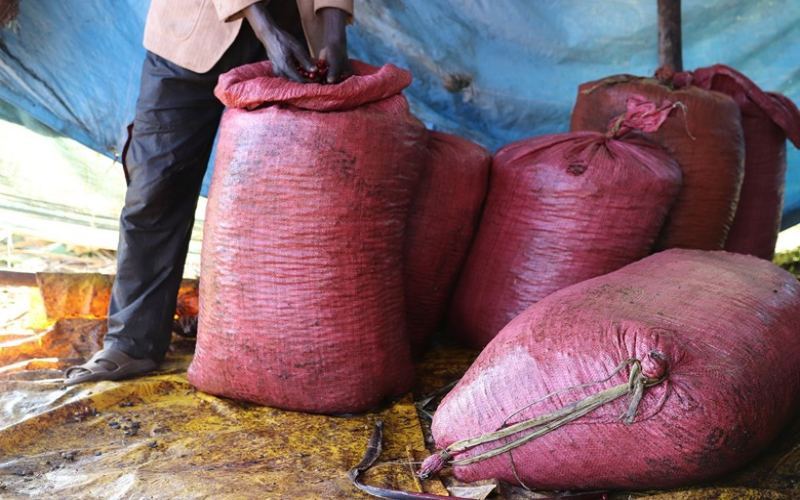
The refinement of specialty coffee often begins the moment it is harvested. In the same coffee field, the difference in final flavor between careful harvesting and careless harvesting may be even greater than that of roasting. How are coffee cherries picked one by one? Why must defective beans be removed? This article takes you into the scene of harvesting and grading. Handmade [more…]
Coffee Cherry Harvesting Methods and Green Bean Processing Techniques: An In-Depth Analysis of the Effects from Manual Selective Picking to Washed Fermentation on Final Flavor
The flavors in the final cup of coffee are foreshadowed long before the fruit is even picked. The picking method determines the ripeness and uniformity of the fruit, while the subsequent green coffee processing further shapes the trajectory of acidity, sweetness, and cleanliness. This article will systematically sort out the applicable scenarios and pros and cons of mechanical picking versus manual picking, and take a deeper look at how the two mainstream processing paths—the dry method (non-washed) and the washed method (wet processing)—actually affect coffee quality. Whether you are a beginner just getting into specialty coffee or a processing-method enthusiast hoping to refine your understanding, you can gain a clear understanding of this key stage from fruit to green coffee. At the end, we also draw on Front Street Coffee's product practices to explain the specific differences in how different processing methods present flavor. [more…]
From Cultivation to Processing: A Comprehensive Guide to Specialty Coffee Basics and Coffee Tree Varieties
Coffee has become an indispensable beverage in many people's daily lives, but behind a good cup of coffee lies a complete chain from coffee tree cultivation, regional distribution, and varietal differences to harvesting and processing. This article will systematically introduce the basic knowledge of the coffee tree, including its botanical classification, suitable growing conditions, its white flowers and red fruit, as well as the characteristics and origins of the three major varieties: Arabica, Robusta, and Liberica. At the same time, it will also explain in detail the harvesting methods for coffee beans and processing methods such as the dry method and wet method, helping you gain a more comprehensive understanding of the ins and outs of specialty coffee. If you want to personally experience the flavor differences brought by different origins and processing methods, you may want to check out Front Street Coffee's related product recommendations. [more…]
How the Red Cherry Project Rewrote the Quality Logic and Flavor Landscape of Ethiopian Yirgacheffe
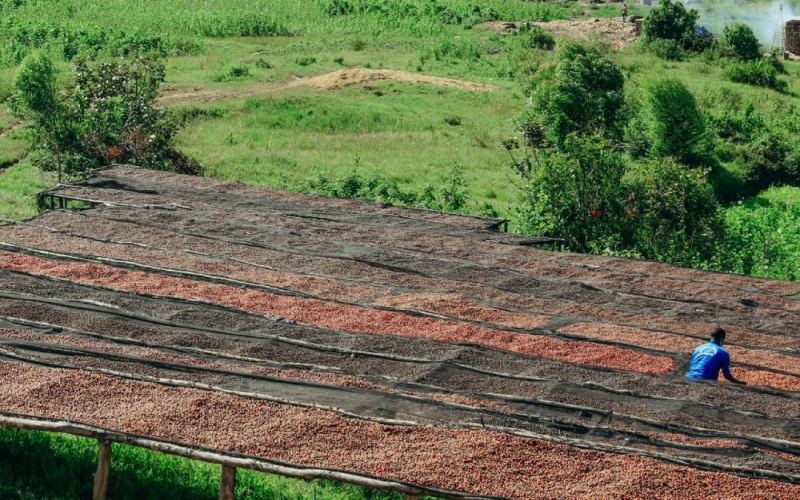
Ethiopia is the birthplace of Arabica coffee, and Yirgacheffe is one of the most proud producing regions of this country. The specialty coffee produced here often does not cling to variety classification, but instead uses origin information and processing method as the core criteria for identification. Front Street Konga Red Cherry is a classic single-origin coffee from Yirgacheffe, presenting a flavor interwoven with berries, honey, black tea, and fermented notes through a refined natural process. This article begins with the harvesting method of coffee cherries, traces back to the Red Cherry project initiated in 2007 by the Dutch green bean merchant Trabocca, and analyzes how it broke the old cycle of "valuing weight over quality," promoted Ethiopian coffee toward specialization through fully manual picking of all-red cherries, small-batch production, and high cupping thresholds, and profoundly influenced the quality expression of producing regions such as Yirgacheffe. [more…]
A Complete Guide to Brazilian Specialty Coffee Beans: Cultivation and Harvesting Methods, Major Producing Regions, and the Red Bourbon Variety
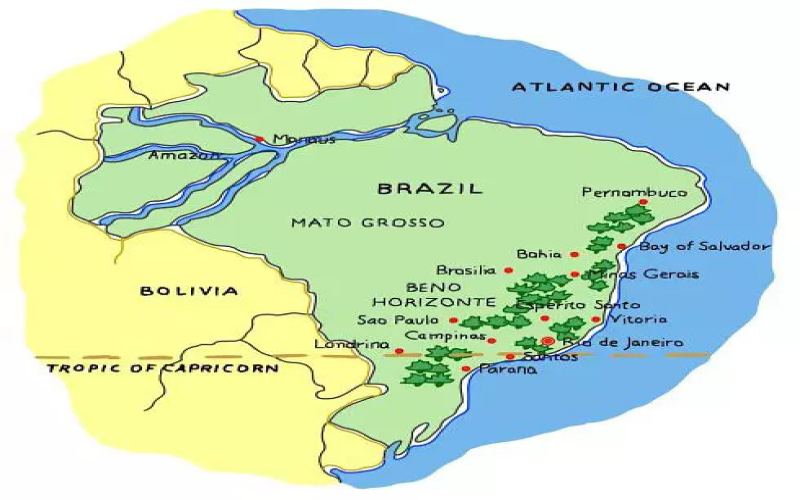
Brazil, with its vast territory and suitable climate, firmly ranks first in global coffee production and exports, with about one-third of the world's coffee coming from here. Unlike the high-altitude producing regions of Africa and Central and South America, Brazilian coffee farms are mostly located in flat areas just a few hundred meters above sea level, relying mainly on large-scale cultivation and mechanized harvesting, with a flavor profile that tends toward a sweet, mellow balance, and they are often used as the base bean in espresso blends. This article will sort out the origins of Brazilian coffee cultivation, harvesting models, well-known producing regions such as Cerrado, the characteristics of the Red Bourbon variety, the pulped natural processing flow, and the grading system, and, in combination with Front Street Coffee's Brazilian Cerrado everyday drinking beans, introduce its roasting approach and pour-over brewing parameters, helping coffee lovers gain a comprehensive understanding of the basic landscape of Brazilian specialty coffee. [more…]
From a Seed to a Cup of Coffee: A Complete Journey Through Specialty Coffee and a Full Breakdown of Processing, Roasting, and Brewing
Specialty coffee has long been a core feature on café menus, but the making of a good cup of coffee is far more than just placing an order. From the seed being planted to growing into a coffee tree, it must go through germination, growth, flowering, and fruiting, then harvesting, processing, sorting, grading, roasting, and brewing—a process that can span as long as three years. This article provides a complete overview of every step of coffee from seed to cup, introduces the characteristics and flavor differences of the three major processing methods—natural, washed, and honey—and explains the key points of coffee bean grading, defect sorting, and roasting and extraction, taking you truly into the world of specialty coffee. [more…]
The Complete Process of Washed Yunnan Arabica Coffee: From Harvesting to Fermentation and Mucilage Removal—Processing Characteristics and Flavor Impact
As the coffee harvest season draws to a close, this article systematically reviews the wet processing steps after picking in Yunnan. From floating the fresh cherries in water and removing the pulp, to the crucial demucilaging and fermentation stages, it breaks down the practical operations and quality control points of washed processing step by step. Fermentation time fluctuates between 6 and 72 hours, affected by temperature, the amount of mucilage, and enzyme concentration; seizing the right moment to end it directly determines the direction of the coffee's flavor. The article also explains the negative effects of under-fermentation or over-fermentation on coffee quality, as well as the moderating effect of the soaking step on bitterness, helping coffee lovers understand the craft logic and flavor formation behind the washed processing of Yunnan Arabica coffee. [more…]

Jamaica Blue Mountain Coffee Flavor Analysis: The Specialty Path from Cultivation Varieties and Processing Techniques to Roasting and Brewing
Blue Mountain coffee has long been regarded as the benchmark of specialty coffee. From variety selection and breeding, growing altitude, harvesting methods, processing and fermentation, roasting curves, to brewing parameters, every step reflects specialty coffee's ultimate pursuit of detail. This article will systematically sort out the origin qualification standards of Jamaican Blue Mountain coffee, the characteristics of the Typica variety, the washed processing flow, and the specific practices of Front Street Coffee in roasting and pour-over production, helping coffee lovers understand the source of Blue Mountain coffee's balanced acidity, sweetness, and bitterness, its mellow and smooth flavor, and why it has become a classic among classics. [more…]
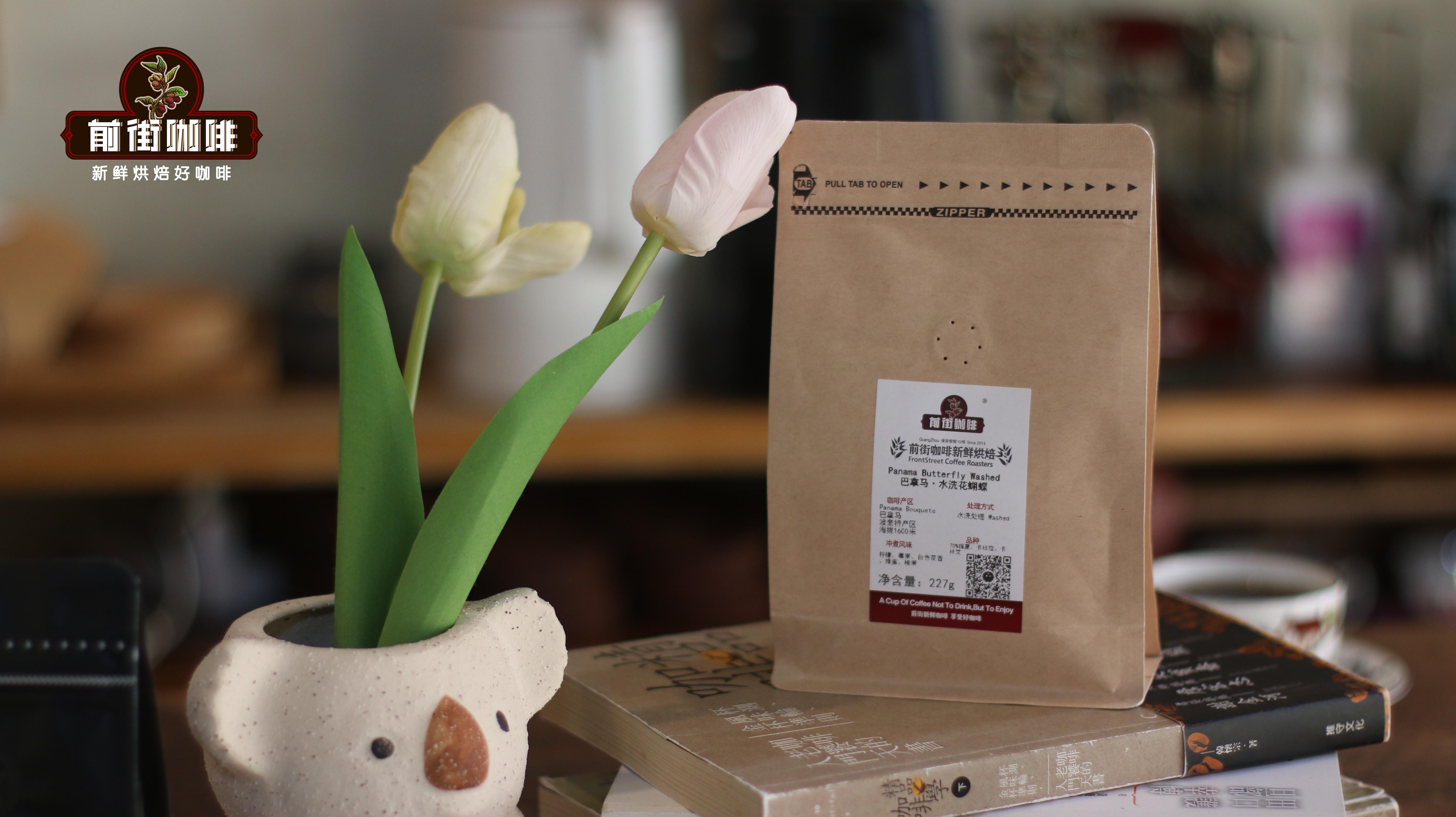
Why Is Panama Butterfly Classified as a Geisha Blend? An Analysis of Its Single-Origin Attributes and the Flavor Differences Between Natural and Washed Processing
Front Street Panama·Butterfly is hailed as a Geisha alternative thanks to its roughly 70% Geisha composition and the high-altitude terroir of the Boquete production region. It is a blend of three varieties—Geisha, Caturra, and Catuai. Although labeled as a Geisha blend, it is classified as a single-origin coffee because it comes from the same production region and undergoes the same washed processing. This article will sort out the blending logic and historical origins of Butterfly, compare the differences between the washed and natural versions in brewing performance, flavor cleanliness, and tropical fruit character, and present in full the review details of Front Street's natural Butterfly, helping coffee enthusiasts understand the specific effects of mixed-variety harvesting and processing methods on the flavors in the cup. [more…]
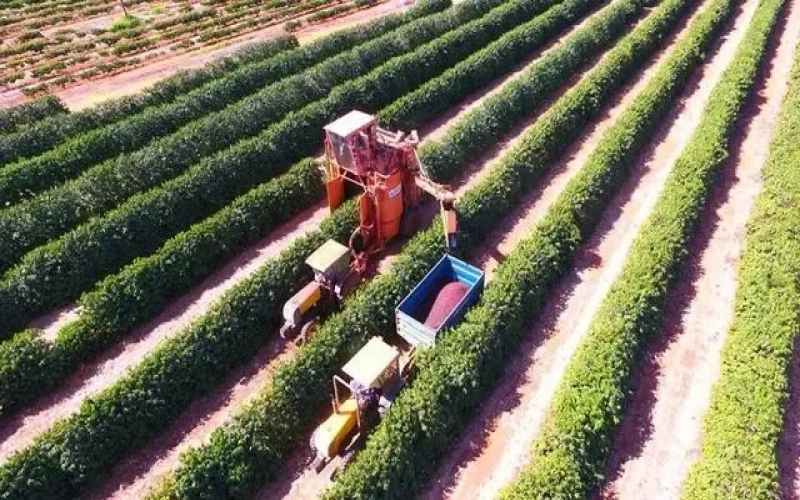
Brazil's coffee harvest accelerates but sales lag; market expected to recover after Congress rejects new tax rules
Brazil's new coffee crop harvest is progressing faster than in previous years, and the dry weather is both beneficial for processing and a cause for concern. However, sales progress is noticeably lagging, ports remain congested, and the government's earlier proposed changes to PIS/Cofins tax rules have further weighed on exports and farmers' willingness to sell. At the same time, the sharp appreciation of the US dollar against the real has brought inflationary pressure. The good news is that Brazil's Congress recently rejected the tax measure, allowing coffee and other agricultural products to continue enjoying tax benefits, and the slowdown in sales is expected to improve. This article will review the latest developments in harvesting, sales, ports, and policy, and include relevant recommendations from Front Street Coffee. [more…]
A Complete Analysis of Mandheling Coffee Flavor: From Wet-Hulling Processing to the Taste Differences of Golden Mandheling
Mandheling is almost synonymous with Indonesian specialty coffee. Its low acidity, full body, and distinctive herbal and woody notes have captivated countless coffee lovers. Indonesia's main coffee-growing regions are distributed across Sumatra, Java, and Sulawesi, with Sumatra standing out for its production volume. Mandheling is graded in various ways depending on the region and harvesting method, and the wet-hulling process is the core technique that shapes its signature flavor. This article will guide you through the taste characteristics of Front Street Coffee's Mandheling, explain the origins and features of the wet-hulling process, and compare the flavor differences among different Mandheling coffees, especially the unique expressions of Front Street Coffee's Golden Mandheling and Front Street Coffee's Lintong Mandheling. [more…]
Exploring Mandheling Coffee: Front Street Flavor Characteristics and Classification Differences in Wet-Hulled Processing
Mandheling coffee, with its low acidity, rich and full-bodied taste, and unique herbal aroma, has become the hallmark of Indonesian specialty coffee. Indonesia's main coffee-producing regions are distributed across Sumatra, Java, and Sulawesi, with Sumatra producing the largest volume. Different regions and harvesting methods have given rise to the diverse grading of Mandheling, while the wet-hulling process is regarded as the key to Mandheling's rise to global prominence. Front Street Coffee's Lintong Mandheling and PWN Golden Mandheling each have their own distinctive character: the former retains the traditional bold flavor profile, while the latter undergoes strict hand-sorting, resulting in a cleaner and brighter flavor. This article will guide you through Mandheling's taste characteristics, the origins of the wet-hulling method, and the differences between various Mandheling coffees—ideal reading for coffee lovers who enjoy bold flavors. [more…]
A Comprehensive Analysis of the Flavor Characteristics, Grading, and Processing Methods of Honduran Specialty Coffee
Honduras is an important coffee-producing country in Central America. Its coffee beans are plump and evenly colored. Thanks to its mild tropical climate and abundant rainfall, it produces outstanding specialty coffee. This article will guide you through Honduras coffee's harvesting methods, washed processing flow, and the flavor and regional characteristics of the two grades "Highland Coffee" and "Select Highland Coffee," while also presenting Front Street Coffee's attention to and recommendations for Honduran specialty coffee. [more…]
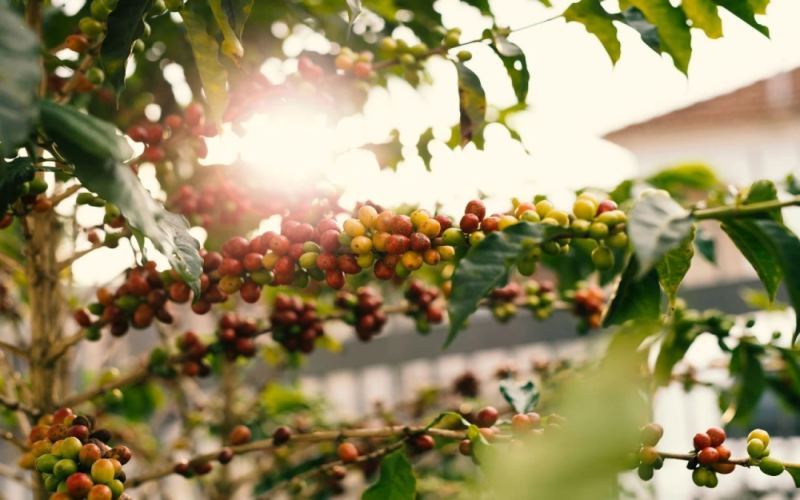
From Fruit to Cup: A Comprehensive Analysis of Coffee Cherry Structure and Processing
Have you ever wondered how the coffee you drink every day actually evolves from a tiny fruit? Although coffee is often likened to "juice," its production process is completely different from that of true fruit juice. This article will take you deep into the complete structure of the coffee fruit, analyzing the characteristics and roles of each part one by one, from the outer skin, pulp, and pectin layer to the parchment and silver skin. At the same time, we will also explore the geographical distribution of the Coffee Belt, the hardships of harvesting, and the processing and roasting process from green beans to roasted beans. Whether you are a coffee enthusiast just starting out or a seasoned taster, this article will unveil the mystery of the coffee fruit for you and give you a deeper understanding of the coffee in your cup. [more…]
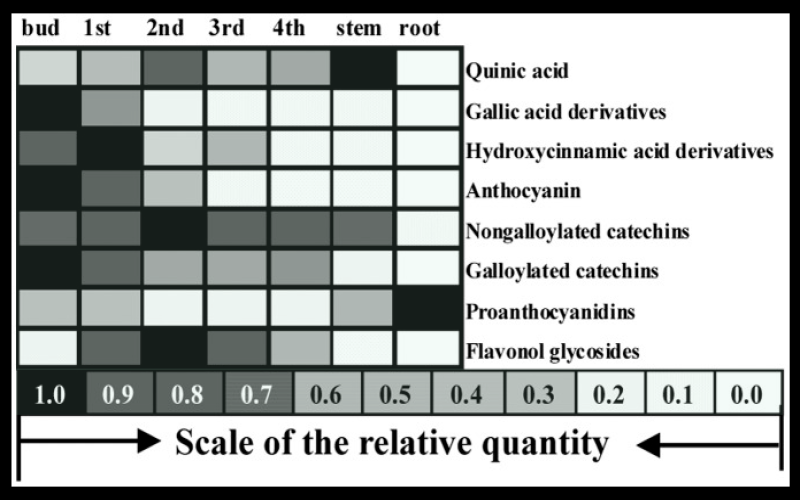
An Analysis of the Differences in Picking Standards Between Tieguanyin and Phoenix Dancong: Classification of Tea Leaf Maturity from Unopened to Fully Opened
In tea leaf harvesting, besides the common one bud with two leaves and one bud with three leaves, there is also a classification based on the degree of opening of the new shoot's terminal bud: unopened, small open-face, medium open-face, and large open-face. The purpose of open-face picking is to enrich the tea's internal substances, thereby improving the quality of the finished tea. Different degrees of opening correspond to different levels of maturity, affecting the difficulty of leaf processing and the flavor of the finished tea: older leaves are easier to process, with a mellow taste and high aroma; tender leaves are harder to process, prone to a bitter aftertaste but with a strong flavor and good durability for multiple infusions. Oolong teas such as Phoenix Dan Cong and Tieguanyin have their own preferences for open-face standards, and high-quality black tea raw materials often use open-face leaves as well. In this article, Front Street Coffee combines changes in tea chemical composition to clarify for you the differences in picking standards between Tieguanyin and Phoenix Dan Cong. [more…]